














 Reading time 10 minutes
In today's globalised and hyperconnected world, multilingual communication has become a decisive factor for the success of companies, institutions and organisations. Relying on a shared language is no longer enough in many scenarios.
From an international summit to a strategic corporate meeting, it is essential to ensure that every message is conveyed with accuracy, fluency and cultural sensitivity.
This is where professional interpreting comes in, a language service that enables understanding between speakers of different languages and adapts to each situation through its various modes.
Not all communication needs are the same: a large-scale conference, a business negotiation, an online training session or an institutional press conference each require different approaches to ensure smooth and effective communication.
In recent years, remote interpreting has also transformed the sector, offering a flexible, digital alternative that overcomes geographical barriers and makes it easier to organise hybrid or virtual events without compromising on linguistic quality.
In this ATLS guide, we present the main interpreting modes, their features, advantages and the contexts in which they are most appropriate, so that you can identify the best solution for your company or organisation.
Simultaneous interpreting
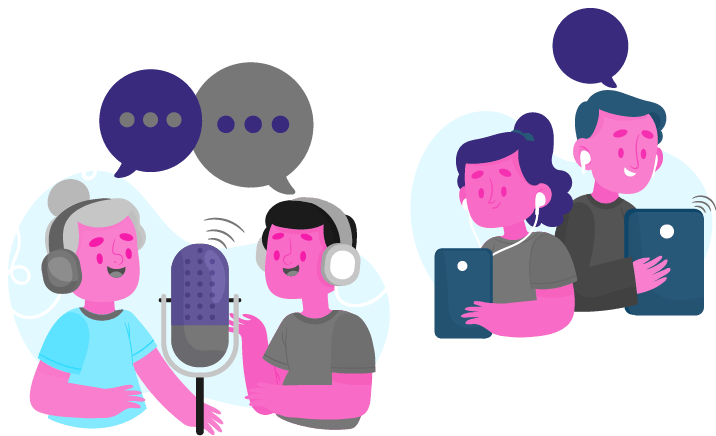
Simultaneous interpreting is one of the best known and most widely used modes internationally. This approach involves the interpreter rendering the speech in real time, keeping pace with the speaker without interruptions or pauses. Specialised technical equipment, such as soundproof booths, microphones and receivers with headsets, makes it possible for interpreters to work with full concentration while participants listen to the translation in their own language.
This type of interpreting is essential at international congresses, academic conferences, political summits and large-scale corporate events, where people from different countries and languages come together. Thanks to its fluency, communication remains seamless and the event can go ahead with the same dynamism as if all participants shared a common language.
A variation of this mode is with the use infoport, a portable system which replaces the traditional booth with mobile equipment consisting of a microphone and wireless receivers. It is ideal for guided tours, internal training sessions or small meetings where simultaneous interpreting is needed without the complexity of a full technical set-up.
Main advantages of simultaneous translation:
- Maximum speed and fluency, as the translation takes place instantly.
- Preserves the natural flow and rhythm of the original speech, avoiding unnecessary pauses.
- Makes it possible to include large multilingual audiences without extending the duration of the event.
When to use simultaneous translation
to

to ##223##u eficaci##224##
##225##
##226## ##227##
##228## ##229##
##230##
- ##231##
- ##232##
- ##233##
##234##
##235##
##236## ##237##u capacid##238##
##239##

##240## ##241##
##242## ##243##
##244## ##245##
##246##
- ##247##
- ##248##
- ##249## ##250##
##251##
##252##
##253## ##254##a de las ##255##
##256##
##257## ##258##
##259## ##260##
##261##
- ##262##
- ##263##
- ##264##
##265##
##266## ##267##e no es a##268##

##269## ##270##
##271## ##272##
##273## ##274##
##275##
- ##276##
- ##277##
- ##278##
- ##279##
##280##
##281##
##282## ##283##n dí##284##
##285##
##286## ##287## ##288## ##289## ##290## ##291##
##292## ##293##
##294##
##295## Conf&#>##296##Conf&#>